It’s the Great Pumpkin Season, Charlie Brown!

I have a different theory altogether about the origins of manufacturers’ efforts to pumpkin spice the world at the start of each September.

Pumpkin Season is here!

…pumpkin spice lattes
…pumpkin spice bagels
…pumpkin spice donuts
…pumpkin spice pound cake
…pumpkin spice pancakes
…and, yes, even pumpkin spice Cheerios
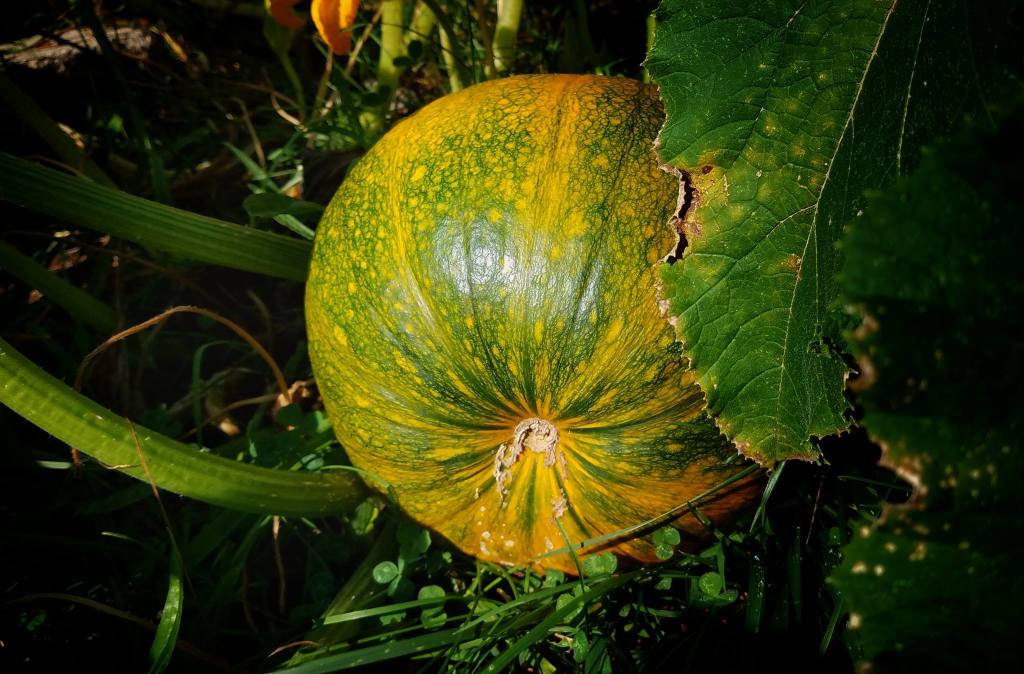
Photo by Sheila G. Hunter. Used by permission.

But wait. Am I misrepresenting the season? Am I on the verge of doing a terrible disservice to the noble pumpkin that hales from the Cucurbita genus and is therefore a great aunt to cucumbers, melons, and squash?

Yes, I can almost hear the exasperated eye-rolls of the pumpkin season deniers and pumpkin purists. The 65,900 acres of pumpkins harvested in the US in 2018 (according to the USDA National Agricultural Statistics Service) were not grown in soil seasoned with cinnamon and cloves. None of the more than 1.5 billion pounds of pumpkins that turned those acres orange last fall tasted or smelled anything like a latte.

That’s because pumpkin and pumpkin spice products are connected in name only, right?

A Matter of Taste
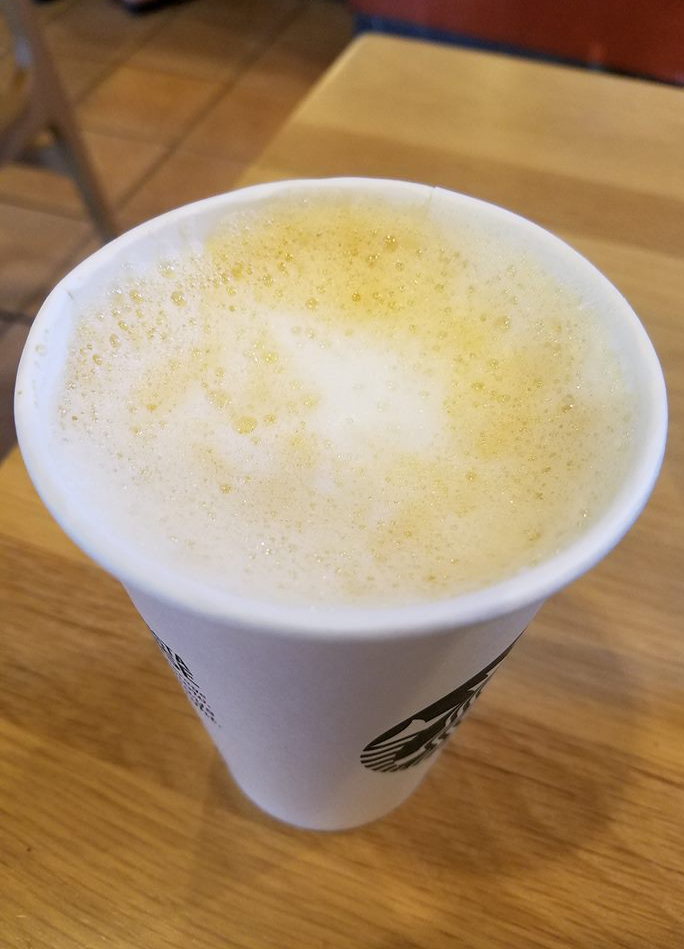
Photo by Jill Crainshaw.

Five spices make up the addictive (at least to some people) flavors in the famous (or is it infamous) “Pumpkin Spice Latte” (PSL): cinnamon, cloves, nutmeg, ginger, and allspice. These spices, mixed together in various proportions into coffee or cake batter or ice cream, somehow make some of us think “pumpkin.”

And I have to admit that even to a pumpkin season devotee like me, this is something of a curiosity. Like my friend says, “Pumpkin itself has no taste—lots of nutrients—but no taste.”

Well, I suppose the whole debate over Pumpkin Season actually is a matter of taste. And I have to admit, while I think pumpkin does have a taste, a pumpkin picked from my backyard garden and baked in my kitchen oven doesn’t taste or smell like a PSL.

Over the Harvest Moon about Pumpkin Spice Everything
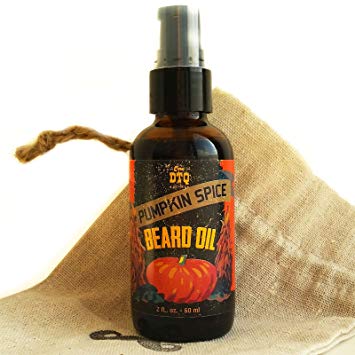
As pictured online in an advertisement.

So—what ignited the pumpkin spice craze that led to over $80,000,000 worth of PSL sales in 2018? Why are so many people so over the harvest moon about pumpkin spice everything? And, as an aside, if you will, who is buying that Limited Edition Pumpkin Spice Beard Oil I saw on my newfeed? (Even this pumpkin fan was surprised to discover this addition to the seasonal offerings!)

A 2015 BBC News Magazine author, Vanessa Bradford, sought answers to these questions. She interviewed food scientist, Kantha Shelke, who offered this insight:

“Pumpkin is not a favourite food. Children and many adults often avoid pumpkin as they do rutabagas and some root vegetables. But many of us believe we should be happier (and nicer and more giving) during the holidays and pumpkin-spice products are just one of those things – like juniper and pine and wood burning stoves and fireplaces – that can change our frame of mind.”

Kantha Shelke

Does this mean we can attribute skyrocketing pumpkin spice everything sales to nostalgia, marketing, and social media hype along with a rather bittersweet (which is not a PSL flavor) desire for a particular mind-and-heart-set?

The Great Pumpkin Theory

I, for one, am eager for transformed hearts and minds. But I don’t really think PSLs or other pumpkin-y products are a necessary variable of transformation. (What the necessary variables are is subject matter for another post that in a stroke of irony has to do with “seeing Jesus in a mocha“–not a PSL.)

I have a different theory altogether about the origins of manufacturers’ efforts to pumpkin spice the world at the start of each September.
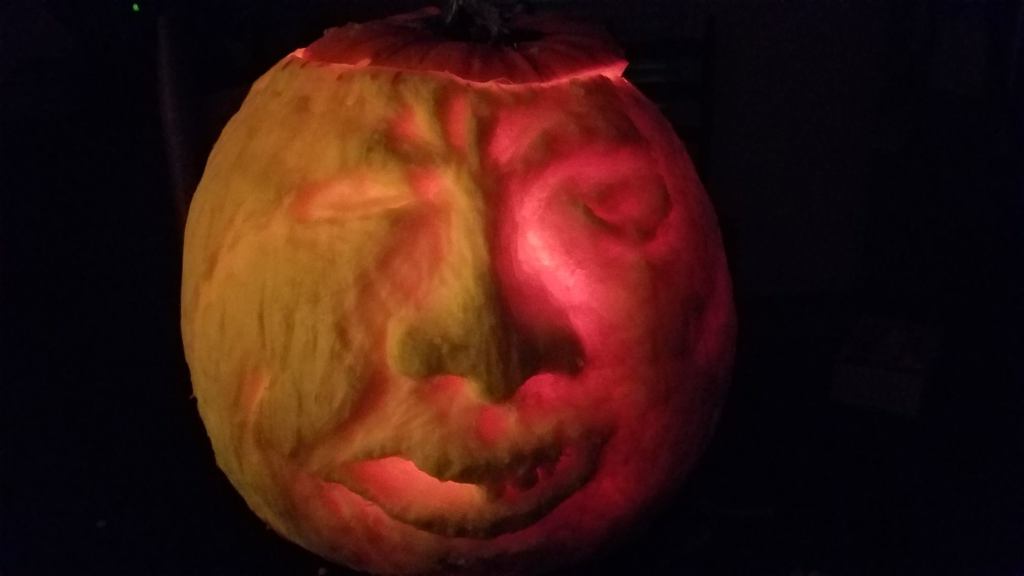
Last year’s Jack-O-Lantern at my house, carved by Sheila Hunter. Photo by Jill Crainshaw.

Do you remember back in the 1960s when Charles Schulz wrote and produced the animated TV special, It’s the Great Pumpkin, Charlie Brown? In the show, Linus gives up trick-or-treating on Halloween night and stays awake into the night waiting for the Great Pumpkin to come to his “sincere pumpkin patch”?

The Great Pumpkin never shows up.

My theory? Those of us in my generation (I will leave it to you, dear reader, to decide who that is) who sympathized with Linus have spent the last five years filling the void left by the no-showing Great Pumpkin with, well, the spice of pumpkin that doesn’t require an actual pumpkin or even the pumpkin patch.

Spicing Up Life and Sowing Seeds

I love Pumpkin Season. Yes, I know that my frame of mind and my shopping during said season are probably being shaped by the advertising and marketing powers that be. Even so, I relish the first day of Pumpkin Season (September 21 for me, my birthday) and the way it spices up my life rhythms with the promise of autumn.

I also relish the opportunities Pumpkin Season provides for me to sit down in a favorite coffee shop with a friend, enjoy a sip ‘o the season, and delight in the delectable spices we contribute to each other’s lives.

And in those moments of sharing, perhaps we sow seeds (and not pumpkin seeds) that have the potential to transform hearts and minds.
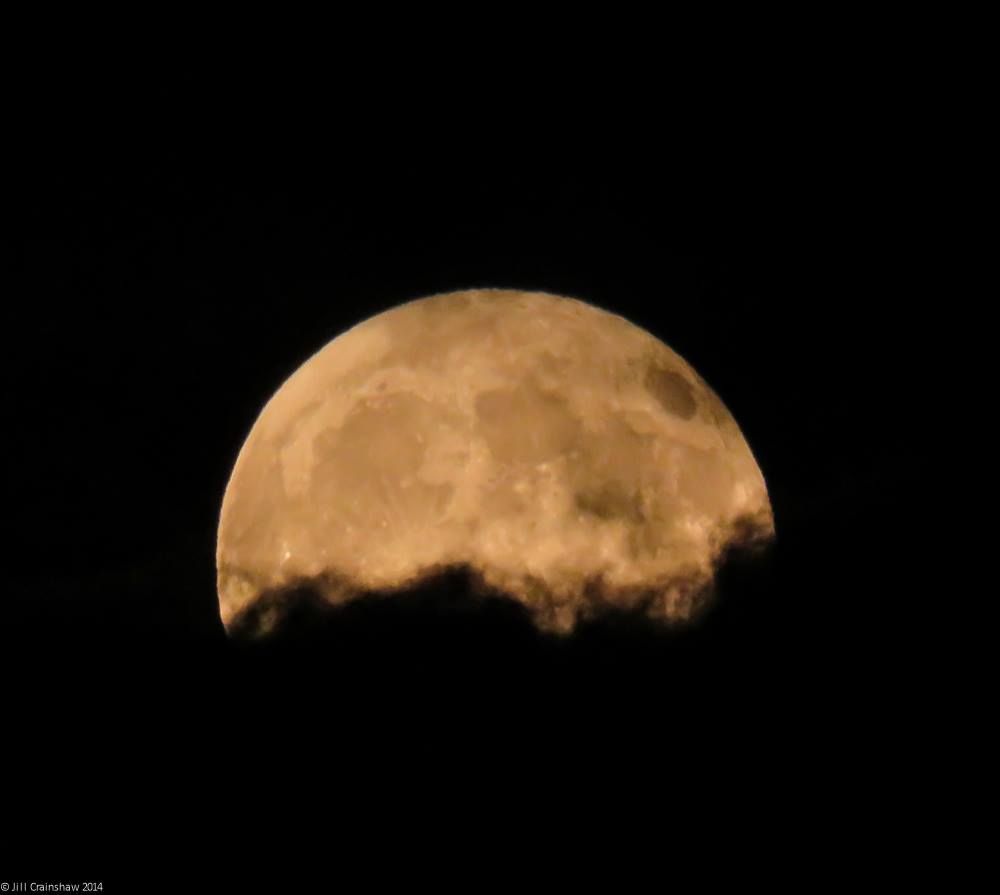
“Harvest Moon, 2018. Photo by Jill Crainshaw.

By the Jabbok

What blessings do we crave?

Held and Holding on

It was night.
And they wrestled.
By the Jabbok.

Jacob. Heel-grabbing birthright stealer. He spends a lifetime outsmarting challengers and dodging confrontations. And he is good at both. When he arrives at the Jabbok, he counts his blessings, names each camel and wife and servant one by one. There are many.

But then he sends them on across the river. Everything that defines him. Everything that hides him in a shroud of self-unknowing.

Tomorrow Jacob will cross the river. To meet his estranged brother, Esau, whose anger has had 20 years to stew in the birthright bowl.

But tonight, Jacob is alone. By the Jabbok.

Jacob’s all-nighter

Was it river canyon wreslemania with backbreakers, chokeslams, and an Undertaker smackdown? Did their feet sink into the mud as they prowled around each other? In Rembrandt’s painting of this scene, a shape-shifting androgynous angel holds a wounded Jacob in an intimate embrace.

Jacob. Holding on and held. Changed. In the marrow of his bones. By the Jabbok.

Preacher and poet James Weldon Johnson imagines such a river. “Up from the bed of a river God scooped clay. And there–this Great God–toiled over a lump of clay until he shaped it in God’s own image. Then he blew into it the breath of life.”

Could that be Jacob? Scooped out of the mud. Created again. By the Jabbok.

But clay sometimes resists

And Jacob had been resisting all of his life–resisting being born second in a system that privileged first-borns (sons, that is), resisting anything that held him back.

So as the sunrises kisses the dust they have kicked up–Jacob is still resisting.

But now, Jacob–changed–resists letting go until he receives a blessing.

What blessing do we crave?

Perhaps wrestling by our lives’ Jabbok has taught us. God, like manna and sea-parting winds, comes to us in the night, when we can’t see what is right in front of us, when answer we had never thought to question come undone.

What takes hold of us then, when illusions about our own strength have been stripped away?

God’s grace. Not manageable grace we can maneuver but wild, fierce, fearless grace stirred up–by the Jabbok.

Perhaps wrestling by the Jabbok has shown us. Though we have prevailed in some things, holding onto those accomplishments means little unless we open ourselves to be held by divine love. Love that might come to us as a stranger. By the Jabbok.

Perhaps wrestling by the Jabbok has taught us–

Jabbok is the struggle to get up in the morning when sorrow has tethered our feet to the night.

Jabbok is twilight tossing and turning to understand or to forgive or to stand up in the face of what we know is wrong.

Jabbok is Ferguson

and Flint.

Jabbok is Mother Emmanuel and Black Lives Matter.

Jabbok is a lifelong nighttime of struggles against injustices.

And Jabbok is also the way home

And Jabbock is also the way home-

Jabbok is the place where we wrestle with an embodied faith that is not fragile. It is where we find courage to speak out against harm done in God’s name.

Jabbok is where we decide to stay in the struggle until God has

unearthed us
created us again
breathed into our bones–life–
by the Jabbok
a heel-grabber becomes a wrestling one who prevails.

Jacob becomes Israel. And we become called ones who whisper into the night who we are and hear breathed out over the river’s tintinnabulation–yes, you are that and more.

As day breaks–

Sunlight might cling to dust stirred up by the midnight mayhem. Jabbok mud may stain our feet for a life time. But that is gift. Because Jabbok could be our road to Emmaus.

Jabbok could be our Pentecost Eve when Spirit winds blow through nailed-shut windows and stir up heart-fires. We dare not forget the night. Or keep our hearts shut off from the blessing that comes in the morning–

Photo by Jill Crainshaw

In the morning, when we cross to the other side of the river: “Esau ran to meet Jacob and embraced him and fell on his neck and kissed him and they wept” (Genesis 33).

There is always another river to cross

No permanent dwellings by the Jabbok. Wounded spirits and broken bodies are out there on the other side. And we have learned things by passing by this way that give us endurance to hold vigil with others as they wrestle and joy to dance with them when they arrive home in the morning.

That is the blessing. There is always another river to cross–and on the other side–unexpected, even estranged Holy Others. And there is also the wisdom the God-wrestler speaks through grace-seasoned tears: “To see your face was like seeing the face of God” (Genesis 33). Toiling over a lump of mud and breathing into it the breath of life. By the Jabbok.

Note: Former Dean Gail R. O’Day gifted me with a print depicting the story of Jacob and his dream of ladders and angels. That print was hung in my office today. I have been thinking about Jacob’s complex life as I admire the print.