
“Who cooked the Last Supper?”
This question caught my attention when I saw it as the title of a a 2001 book by Rosalind Miles—Who Cooked the Last Supper: The Women’s History of the World.
The best bite of food I have ever had
I am reminded of a dining experience I had while attending a liturgical conference in Montreal almost a decade ago. Some friends and I visited a local restaurant where I encountered the best, most memorable, most delightful, most enchanting bite of food—just one forkful—I have ever tasted.
I have told the story of that one bite of food countless times—often while sitting a table somewhere eating with friends. That one taste has forever marked my tastebuds. Maybe even changed them. I wish I could taste that bite one more time.
Tastes that change us
Other tastes also linger in my memory. This morning as I write, I am remembering pieces of frozen chocolate pound cake that graced my dinner table for many weeks after my grandma sent them home with me when I was a pastor in Virginia. My goodness, I wish I had a piece of Grandma’s cake to eat with my coffee right now!
Lunches at Mrs. Alderman’s house come to mind too. Mrs. Alderman was a member of my Virginia church, and she loved to cook for others. Lunch was the big meal of the day for her, and she often invited me to share it with her. She and I sat at her table, just the two of us, and feasted on two kinds of meat, three vegetables, sweet iced tea, cornbread made in cast iron, and warm apple pie. And she always sent me home with a sack of leftovers. So did Beulah when I ate with her. And Katie.
And I can’t remember those good church folk without also remembering Donna at the Redwood Restaurant. She and the other cooks and servers at the Redwood nourished me with food and kindness and conversation almost every day that I lived in Lexington, Virginia.
Today is Maundy Thursday. Many people in Christian communities recall on Maundy Thursday the last meal Jesus had with his friends before he was killed. I wonder what those disciples remembered about that meal in the days, months, and years that followed. The foods they shared at that table. The tastes that clung to their tastebuds. The aromas that stayed in their nostrils. I wonder how that meal changed them.
What I haven’t given much thought to when sharing communion on Maundy Thursday is the question Rosalind Miles asks in her book title: Who cooked the Last Supper?
Blending together the Gospel stories of Jesus’ final days, we learn that someone provided a donkey for Jesus to ride into Jerusalem and that a woman in Bethany anointed him with expensive perfume. On this Maundy Thursday, I find myself wondering about the person or people who provided that final meal. Baked the bread. Prepared the recipes. Stirred up the aromas. Served the food.
Today’s towel-bearers
The COVID-19 pandemic is changing us. Our communities—our world—will not be the same now that we have experienced this viral threat together. We aren’t even aware yet of all the ways we are being and will be changed.
What I hope on this Maundy Thursday is that one of those changes will mean we hold and show more gratitude for some unsung and unnoticed heroes in our communities. They are out there right now. Heroes who didn’t choose the cloak and who don’t think of themselves as having super powers. People who are doing what they do every day, who are doing what they have been doing to make a living, to serve the public through often thankless jobs—and in doing so, to care for the well-being of all of us.
As we read the old, old story of how Jesus took up a towel at that last meal and washed his disciples’ feet, I hope we remember those in our communities who are taking up towels of many kinds to see us through this historic crisis.
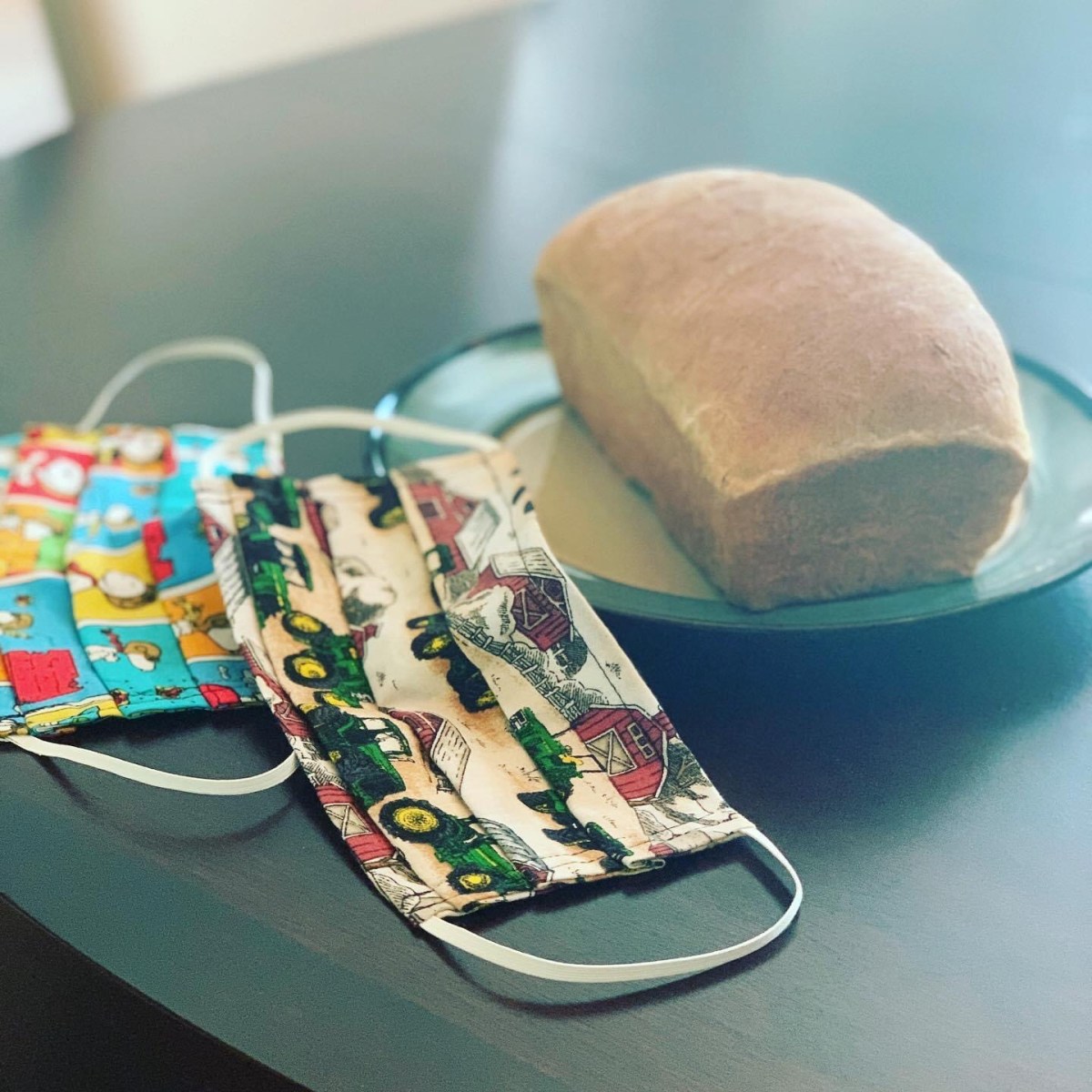
A colleague of mine in Raleigh, Pastor Tim, writes about this in a blog post titled, “Scrubs, Pajamas, Aprons, and Towels.” Today’s towels, he says, are masks and latex gloves, hospital scrubs, restaurant aprons—all of the objects and accompanying actions that people are wearing and embodying to keep us going through these days.
The work these people are doing is sacramental work—revealing to us the presence of God-with-us. They are holding our lives in their hands. Keeping vigil at bedsides in our stead. Delivering nourishment to our homes. Teaching and counseling and offering words of care to our children.
A sad truth is that we too often overlook many of these folks. Underpay them. Vent our anger on them.
A new commandment
On this Maundy Thursday, we remember Jesus, one who fed hungry people and washed weary feet and touched lepers and ate with folks no one else wanted to eat with. We give thanks for one who showed us how to love, how to heal, how to redeem a wounded and hurting world.
Perhaps as we remember Jesus, we can also take a moment to remember the people in our communities who are showing us day by day—no, who are offering us through their own lives and bodies—the face and hands and feet of Jesus.
And perhaps we can decide to be changed—so that gratitude, justice, and grace become the primary tastes that we share at our everyday meals. Jesus’ own words at the holy meal invite us to this conversion of our hearts, minds, and actions:
I give you a new commandment, that you love one another. Just as I have loved you, you also should love one another. By this everyone will know that you are my disciples, if you have love for one another.
John 13:34-35

 Salt: Seasoned Theology