
Held and Holding on
It was night.
And they wrestled.
By the Jabbok.
Jacob. Heel-grabbing birthright stealer. He spends a lifetime outsmarting challengers and dodging confrontations. And he is good at both. When he arrives at the Jabbok, he counts his blessings, names each camel and wife and servant one by one. There are many.
But then he sends them on across the river. Everything that defines him. Everything that hides him in a shroud of self-unknowing.
Tomorrow Jacob will cross the river. To meet his estranged brother, Esau, whose anger has had 20 years to stew in the birthright bowl.
But tonight, Jacob is alone. By the Jabbok.
Jacob’s all-nighter
Was it river canyon wreslemania with backbreakers, chokeslams, and an Undertaker smackdown? Did their feet sink into the mud as they prowled around each other? In Rembrandt’s painting of this scene, a shape-shifting androgynous angel holds a wounded Jacob in an intimate embrace.
Jacob. Holding on and held. Changed. In the marrow of his bones. By the Jabbok.
Preacher and poet James Weldon Johnson imagines such a river. “Up from the bed of a river God scooped clay. And there–this Great God–toiled over a lump of clay until he shaped it in God’s own image. Then he blew into it the breath of life.”
Could that be Jacob? Scooped out of the mud. Created again. By the Jabbok.
But clay sometimes resists
And Jacob had been resisting all of his life–resisting being born second in a system that privileged first-borns (sons, that is), resisting anything that held him back.
So as the sunrises kisses the dust they have kicked up–Jacob is still resisting.
But now, Jacob–changed–resists letting go until he receives a blessing.
What blessing do we crave?
Perhaps wrestling by our lives’ Jabbok has taught us. God, like manna and sea-parting winds, comes to us in the night, when we can’t see what is right in front of us, when answer we had never thought to question come undone.
What takes hold of us then, when illusions about our own strength have been stripped away?
God’s grace. Not manageable grace we can maneuver but wild, fierce, fearless grace stirred up–by the Jabbok.
Perhaps wrestling by the Jabbok has shown us. Though we have prevailed in some things, holding onto those accomplishments means little unless we open ourselves to be held by divine love. Love that might come to us as a stranger. By the Jabbok.
Perhaps wrestling by the Jabbok has taught us–
Jabbok is the struggle to get up in the morning when sorrow has tethered our feet to the night.
Jabbok is twilight tossing and turning to understand or to forgive or to stand up in the face of what we know is wrong.
Jabbok is Ferguson
and Flint.
Jabbok is Mother Emmanuel and Black Lives Matter.
Jabbok is a lifelong nighttime of struggles against injustices.
And Jabbok is also the way home
And Jabbock is also the way home-
Jabbok is the place where we wrestle with an embodied faith that is not fragile. It is where we find courage to speak out against harm done in God’s name.
Jabbok is where we decide to stay in the struggle until God has
unearthed us
created us again
breathed into our bones–life–
by the Jabbok
a heel-grabber becomes a wrestling one who prevails.
Jacob becomes Israel. And we become called ones who whisper into the night who we are and hear breathed out over the river’s tintinnabulation–yes, you are that and more.
As day breaks–
Sunlight might cling to dust stirred up by the midnight mayhem. Jabbok mud may stain our feet for a life time. But that is gift. Because Jabbok could be our road to Emmaus.
Jabbok could be our Pentecost Eve when Spirit winds blow through nailed-shut windows and stir up heart-fires. We dare not forget the night. Or keep our hearts shut off from the blessing that comes in the morning–
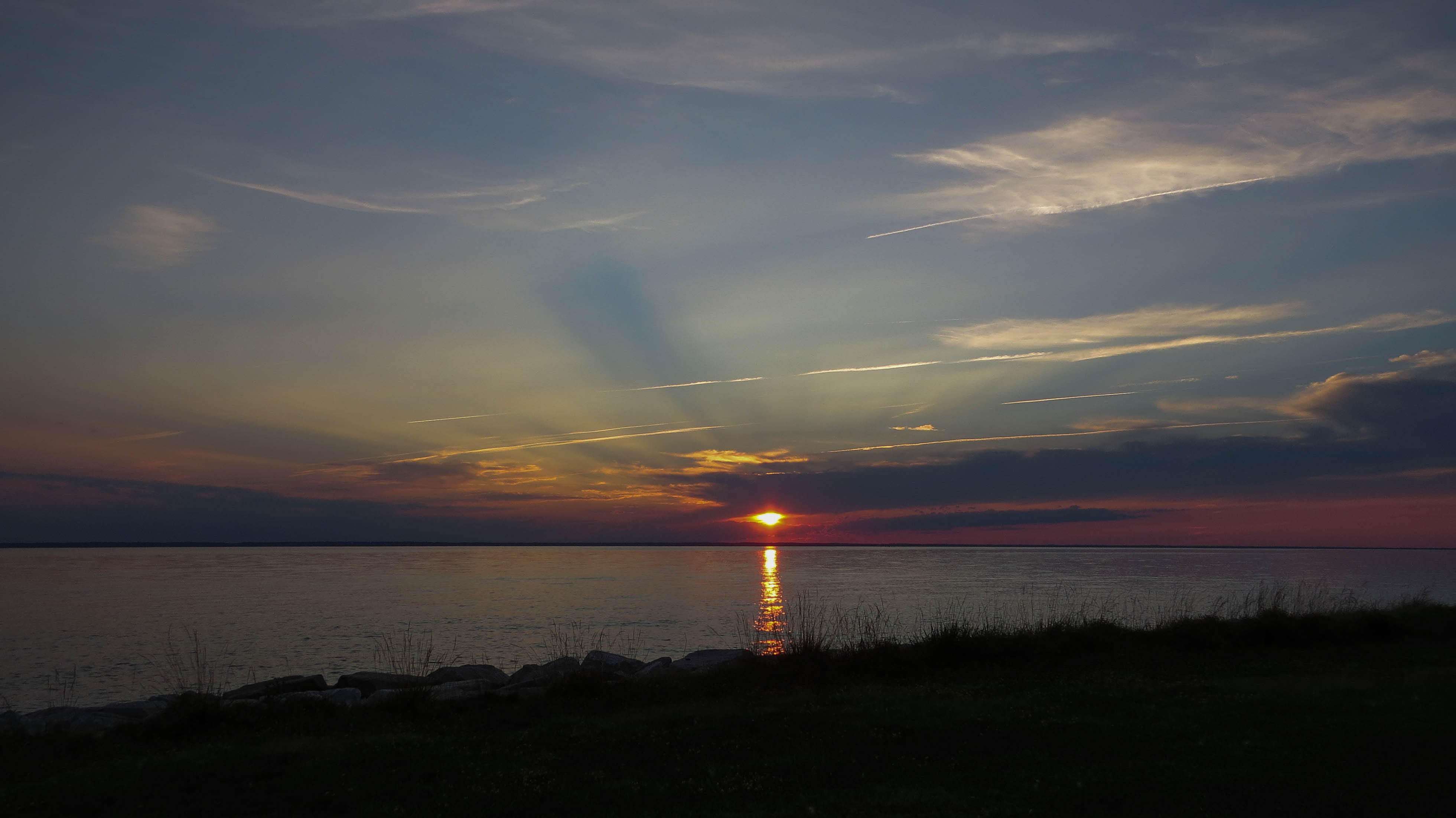
In the morning, when we cross to the other side of the river: “Esau ran to meet Jacob and embraced him and fell on his neck and kissed him and they wept” (Genesis 33).
There is always another river to cross
No permanent dwellings by the Jabbok. Wounded spirits and broken bodies are out there on the other side. And we have learned things by passing by this way that give us endurance to hold vigil with others as they wrestle and joy to dance with them when they arrive home in the morning.
That is the blessing. There is always another river to cross–and on the other side–unexpected, even estranged Holy Others. And there is also the wisdom the God-wrestler speaks through grace-seasoned tears: “To see your face was like seeing the face of God” (Genesis 33). Toiling over a lump of mud and breathing into it the breath of life. By the Jabbok.
Note: Former Dean Gail R. O’Day gifted me with a print depicting the story of Jacob and his dream of ladders and angels. That print was hung in my office today. I have been thinking about Jacob’s complex life as I admire the print.
 Salt: Seasoned Theology