
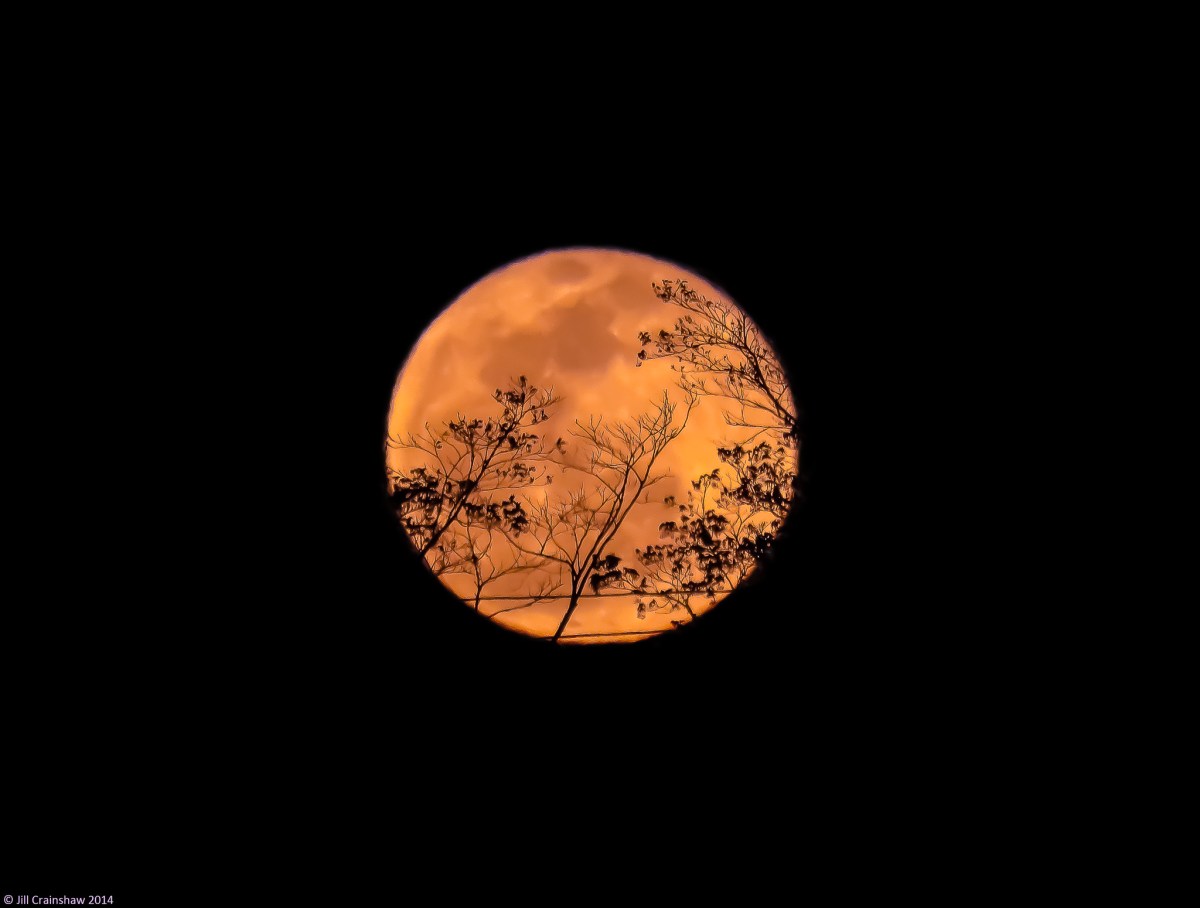
Forever–is composed of Nows–
Emily Dickinson
The day is here. Halloween. The high happy day of Pumpkin Season!
I love Halloween in our neighborhood. My neighbors liven up their yards with orange and purple lights, pumpkins, and other fall decor. And when evening comes? Many people will be out and about, offering candy to trick-or-treaters and trick-or-treating with their children and grandchildren. In our neighborhood, Halloween has become a grand communal affair.
Today, if past experience is a predictor, just over 200 ghouls, ghosts, super heroes, and other characters will arrive in my neighborhood seeking Halloween treats. Many of the trick-or-treaters are children from nearby neighborhoods. Their parents seem to feel good about bringing their little ones to our community.
Sheila and I have fun sitting on our porch welcoming the treat seekers. The tiny goblins are adorable. We also look forward to seeing the imaginative costumes of the School of the Arts students who make their Halloween pilgrimages down our street.
More than meets the eye
But there is more to the high happy days of Pumpkin Season than meets the eye at sunset on October 31.
Halloween itself may be the most visible festival this time of the year, at least in my neighborhood. Perhaps less known is that Halloween is one of a trio of cultural and religious ritual observances that fall during the transitional days between October and November–All Hallow’s Even (or Evening), Hallowmas (All Saints Day), Dia de los Muertos (Day of the Dead). The histories, beliefs and practices connected to each of these days vary depending on cultural and geographical location.
All Hallow’s Even and Hallowmas
All Saints Day dates to the early 7th Century and is observed on November 1 in many Christian traditions. All Saints Day commemorates those saints, now departed, who have influenced Christian faith. Many observances of All Saints Day, especially in Protestant churches, celebrate all Christians, past and present, who have died in the last year.
Some churches commemorate local “saints” on All Souls’ Day, the day following All Saints’ Day.
The historical name for All Saints was Hallowmas–“hallow” meaning “saints,” and “mas” meaning “mass,” or Eucharistic feast. Those who observed Hallowmas held a Eucharistic feast in memory of saints of the faith. The day before Hallowmas was (and still is in some places) the Vigil of All Hallows, or what is now recognized in popular culture as Halloween.
Dia de los Muertos
In some countries, for example in Portugal, Mexico, and Spain, All Saints coincides with Dia de los Inocentes (Day of the Innocents), which is the first day of the Dia de los Muertos (Day of the Dead). On the Dia de los Inocentes, communities remember infants and children who have died.
The Dia de los Muertos is observed in varied ways in Spanish-speaking countries, and at the center of many celebrations is time set aside to visit, and in some places decorate, the gravesites of loved ones who have died. The Dia de los Muertos is a national holiday in Mexico.
Encountering eternity in daily experiences
Emily Dickinson’s famous poetic line, “Forever—is composed of Nows–,” comes to mind for me as we arrive at these October/November days of remembrance.
Time, in Christian tradition and theology, has been defined, discussed, and debated over many centuries. The history of sacred and secular calendars reflects this liveliness of human understandings of time.
What Dickinson expresses in her poem reflects one dimension of this season’s trio of ritualized remembrances. Scholars think that in the poem that contains this line Dickinson wanted to emphasize how we can encounter eternity in daily human experiences.
What does this have to do with All Hallows, All Saints, and Dia de los Muertos? Perhaps the poem and these remembrances suggest that the saints are, in a sense, with us today. And we who are alive to remember them are living eternity now.
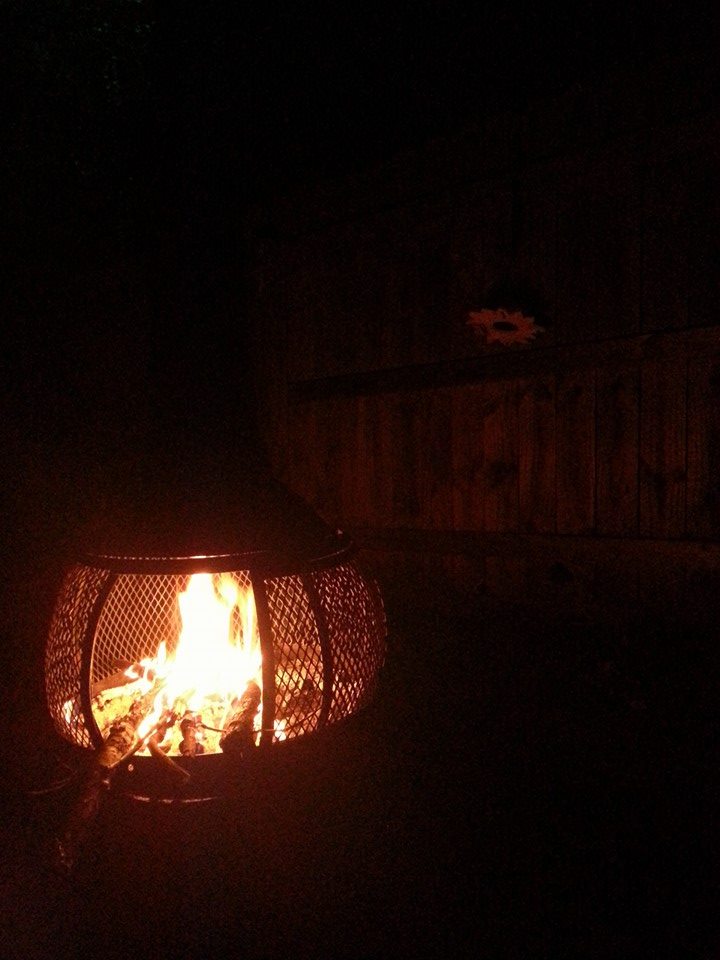
So, on October 31–Halloween to some, All Hallow’s Eve to others–we enter into a time of remembrance. In my neighborhood, we take to the streets after sunset, laughing and talking as our flashlights dance at our feet. One of my neighbors builds a fire in a fire pit in her driveway, and people stop by to visit and warm their hands.
This year, I am imagining our neighborhood Halloween sharing as a small foretaste of God’s reign. For a few hours, we will be community together, and that “now” will become a part of an anticipated “forever” where all people are free to laugh and play together.
As I write this on Halloween Eve, I lift a prayer: Holy Spirit, dance in our midst in these autumn days and inspire us again toward creating and being your Beloved Community in our cities, towns, and neighborhoods.
 Salt: Seasoned Theology