

Author’s note: Pat died several months ago. I still catch myself looking for her when I walk into my mother’s senior apartment community. Pat lived there, and her living there made a difference. The family asked me to be the minister for Pat’s memorial service. I offered these words in the Atrium of the apartment community where Pat lived with other senior adults. That was where her family wanted to hold Pat’s home-going celebration.
Thus says the Lord God: I myself will take a sprig from the lofty top of a cedar; I will set it out. I will break off a tender one from the topmost of its young twigs; I myself will plant it on a high and lofty mountain. On the mountain height of Israel I will plant it, in order that it may produce boughs and bear fruit, and become a noble cedar. Under it every kind of bird will live; in the shade of its branches will nest winged creatures of every kind. (Ezekiel 17)
30 Jesus also said, ‘With what can we compare the kingdom of God, or what parable will we use for it? 31It is like a mustard seed, which, when sown upon the ground, is the smallest of all the seeds on earth; 32yet when it is sown it grows up and becomes the greatest of all shrubs, and puts forth large branches, so that the birds of the air can make nests in its shade.’ (Mark 4)
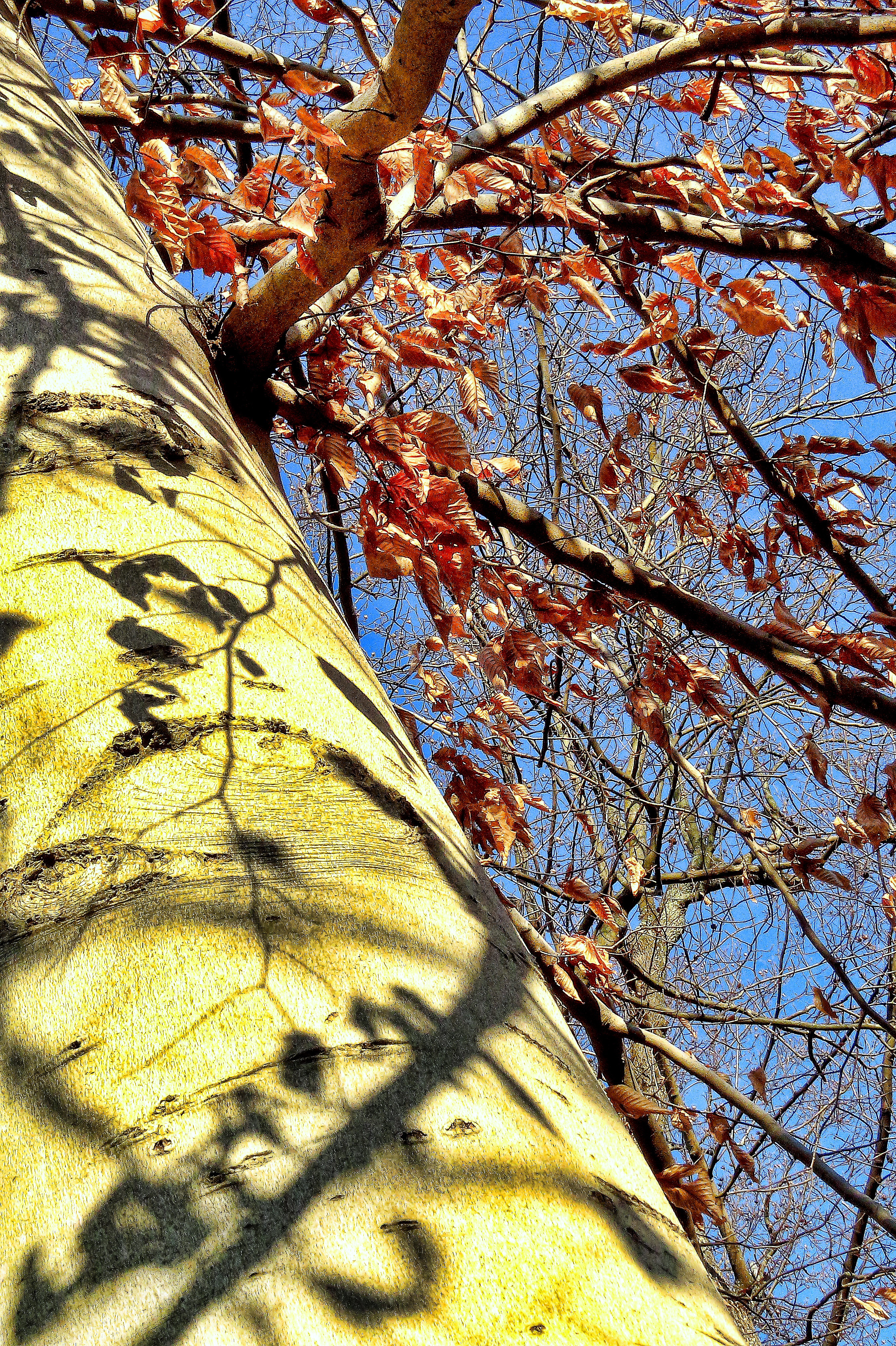
The maple tree had been in our yard for as long as I have lived there. I loved its beauty in autumn and spring. How it blazed orange and red in late September! And how it gathered birds to it when springtime warmth began to touch the earth each March.
A few weeks ago something happened to the tree. In the night, perhaps. Or during a storm while no one was home. The tree broke. Crashed, I suppose, though I did not see or hear it happen. The tree is gone.
I don’t think I realized until now just how important that tree was to how I see our yard. The yard looks, well, vacant, somehow. And up above, where the tree touched the skyline? Just clouds and sky now.
I remember when Pat first came to live here and I met her. Right here in this Atrium. She looked at me as I walked in, and then she smiled. I was drawn to her. Not unlike I am drawn to elegant oaks and maples that stand deeply rooted in places to offer shade and beauty. Pat smiled, and the sun shined. And so Pat put down roots here. She made friends by becoming a friend. Movie nights. Chapel services. Craft-making adventures. Committees. Conversations. Pat put down roots. Her life here mattered.
I only knew Pat for a short time. But I saw and heard in her presence and voice a lifetime of commitment to living—from culinary artist preparing Italian feasts to “great-grammalamadingdong” sharing a meals with her great-grandchildren right here in this dining room. Pat relished life. Yes, that was Pat—someone who was still adding to her bucket list just a few months ago. She was eager and excited to see and do for her family and to see and do what this ole world has to offer, whether those offerings were traveling to see a beloved family member in Pennsylvania one last time or driving a riding lawn mower for the first time.
So it was that Pat was planted in God’s good earth. Rooted in it. Weathering its rain and sleet and ice. Surviving many of life’s droughts and difficulties. I hear in her life those ancient biblical texts from Ezekiel and Matthew. Pat provided shade for those who withered and bore fruit for those who were hungry. She was a noble tree, and birds of many kinds were drawn to her and made their nests in her kind and welcoming branches.
And now that she is gone, we miss her. The places where her face and presence were so familiar, seem empty. Vacant. And we are sad. But we can have hope. Pat did. I don’t know if she fully realized it or not, but I am certain that God created and called Pat to be that tree that she became. That was her gift to us. And that was God’s gift to us through her life. Always, right up through the very last weeks of her life, her smile welcomed. Her smile spoke “home.” Her presence promised shade and rest. She was hopeful about her own life, and, I think hopeful for ours. If she were here, she might tell us to have a bucket list—don’t miss out on what life has to offer. And we might be reminded by her life that God creates and calls us, too, to grow and become more than who or what we even know we can be. Pat might remind us that God creates and calls us to offer welcome, home, and rest to the people we encounter along our ways. By faith—as we trust in God’s love and grace in our lives—we can do our part to create God’s good kingdom here on earth.
Pat is gone. We miss her. But, for a while, she was here with us, being Pat. And that matters. And it can keep on mattering as we say “yes” to God’s call to love and laugh and live with beauty and grace.
Yes, Pat is gone. But not entirely. Her spirit lives on. Created by God and called God’s Beloved in Christ, she existed. She lived. Laughed. Love. And she lives still in God’s eternal garden where trees never fall again. We can exist too. We can live here and now. We can be and be better, empowered by God who loves us, Christ who walks with us, and the Spirit who dances in our midst.
 Salt: Seasoned Theology