

Listen! A sower went out to sow.
Matthew 13:3b
As this broken bread was scattered upon the mountains and being gathered together became one, so may your Church be gathered together from the ends of the earth into your kingdom . . .
from The Didache, First Century, CE
I decided to plant radish and lettuce seeds this week. Nothing out of the ordinary about that for me. Sheila saved seeds from last year and ‘tis the season. What makes this ordinary activity extraordinary this spring is the backdrop scenery of spiraling graphs and avalanching news reports and stumbling spirits as COVID-19 raids our individual, communal, and global lives.
Often during crises, a sanctuary for troubled hearts is an actual church sanctuary. Many people in my Christian tradition as well as in other spiritual traditions find solace in gathering together in person to pray, worship, sing, laugh, and lament. We experience strength in numbers, hope in the embodied knowing that we are all in this together—
except the embodied knowing–meeting together in physical church buildings
–is not a safe option for everyone when a virus like COVID-19 is on the loose in our midst.
So we are scattered. Sunday sanctuaries are empty. Many preachers are preaching to empty pews or peering as they pray through digital looking glasses to connect with their communities.
I celebrate the persistent creativity of so many pastoral leaders who sought on Sunday to offer a hopeful word through social media resources. I am also aware of how isolated and even afraid some people feel as public health leaders urge us to flatten the Covid-19 curve through social distancing. (Even these terms are novel to our everyday vocabularies.)
We are scattered.
Seeing this sentence on a friend’s Facebook feed on Sunday sparked a memory for me. In 2011, then Dean Gail R. O’Day spoke to graduating Wake Forest University Master of Divinity students about sowing seeds. She based her remarks on The Parable of the Sower in Matthew 13. The image she lifted out from this ancient story has stayed with me:
A farmer, or an urban or suburban gardener, fills a bucket with seeds, reaches into the bucket and grabs a handful of seeds, and then scatters those seeds broadly and widely across the terrain.
from Gail R. O’Day’s remarks at the Wake Forest University School of Divinity diploma ceremony, May 2011.
That commencement day, Dr. O’Day focused not on the soil in the parable (as so many interpreters do) but instead emphasized the radical generosity in the sower’s actions of broadcast sowing.
Jesus calls disciples to imagine the kingdom of God as a landscape planted by a lavish, generous sower—who is unstinting in her broadcast sowing of seeds that may grow to new life. The kingdom of God is shaped first by the unrelenting determination to sow seeds of new life . . .
“Ministry,” Dr. O’Day said, “is the ultimate exercise in broadcast sowing.” The ministry we all have to offer is “to reach down into the store of gifts that we have received. . . and throw seeds of hope and possibility out into the world where they can grow to new life for all.”
We are scattered because of an unexpected virus. But we are not alone. We are connected, interwoven as a human community in ways we perhaps never before realized or imagined. What if there are equally unexpected possibilities sown into these days. What if our lives–our persistent faith and kindness during these days–are God’s seeds, God’s hope and grace, being broadcast across diverse media throughout our towns and cities.
I am praying in these uncertain days for those in our communities most vulnerable to the virus. Economic inequities and other vulnerabilities become even more accentuated in times like these. I pray, too, that God will give me the wisdom to look for and embody in my actions what Dr. O’Day called “the joyous surprise of an unexpected glimpse of the kingdom of God” during these days of scattered sacredness.
Living by faith in such a time as this is perhaps more a radical exercise in lavish broadcast sowing than in precise and planned row by row planting. Maybe I will forego my usual radish and snow pea plumb lines and broadcast some seeds this spring. And as I do so, I will offer up to prayers for communal and global recovery and healing.
Beneath Our Feet; In Our Hands
Jack Frost is curled up,
Napping in my bones.
Backyard grass crunches,
Frozen beneath my feet.
Summer sunflowers hibernate,
Silent in my heart.
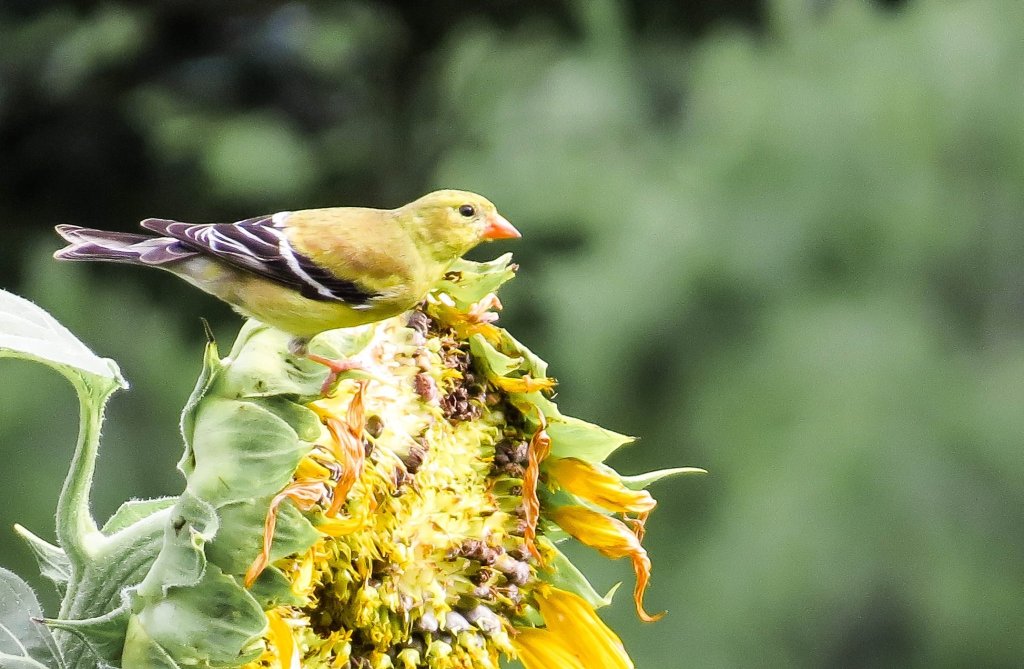
Could it be—
When I hold this dried out husk
Springtime rests on wintertide fingertips?
Infinitesimal harbinger of arugula and radishes;
Holder of stories–fields plowed,
Dirt collected under ungloved fingernails.
Death—in autumn–
Birth–in spring–
When tender-strong seedlings
Unfurl from soil-stained shells,
And push up through the earth
Hungry for the sun—
Dirt weeps sometimes too,
And calls to us: We are stronger than we imagine.
Justice—in wilderness places—
Freedom—in a kernel—
An orchard redeemed—blossoming
Sweet succulent promises of life overflowing.
So we take our shoes off to
Absorb holy ground nutrients
Beneath our feet.
And we water with salt-seasoned tears
This garden we hold in our hand.
 Salt: Seasoned Theology