“Dip your aching toes in cool waters,” said Summer to the wilderness wandering woman.
“Tease your tastebuds with blackberries. Lay your weary body down on gentle meadow grass. Breathe in the soft sweetness of coral honeysuckle where hummingbirds drink and dance.”
“Blush with pride,” said Autumn to the old maple tree.
“You earned it. You shaded the little girl who held summer stars in her eyes while she sat beneath your branches and read and read and read once upon a times into dreams into fierce hopes for the future.”
“Bend toward hope when icy winds blow,” said Winter to the fragile-seeming ones.
“Bend, but don’t break. You are stronger than you know. You are resilient. You are enough.”
“To push your shoulders up, up, up,” said Spring.
“Up through still-cold greening sod to fragrance the dawn with daffodil prayers.
I began preaching the Gospel in 1987 as a pastor in the mountains of Virginia. Now, 32 years later, I am honored to teach ministry students every day at the Wake Forest University School of Divinity. Many of those students are women, and they are called to preach. I have heard their voices. They are astounding, insightful, passionate, and prophetic preachers.
The best way I know to respond when comments like MacArthur’s make news headlines is to do what God called me to do—preach. I offered the following sermon at one of our school’s new student orientation services several years ago. The sermon text was John 4, a story that carries the familiar title, “The Woman at the Well.”
Called to preach
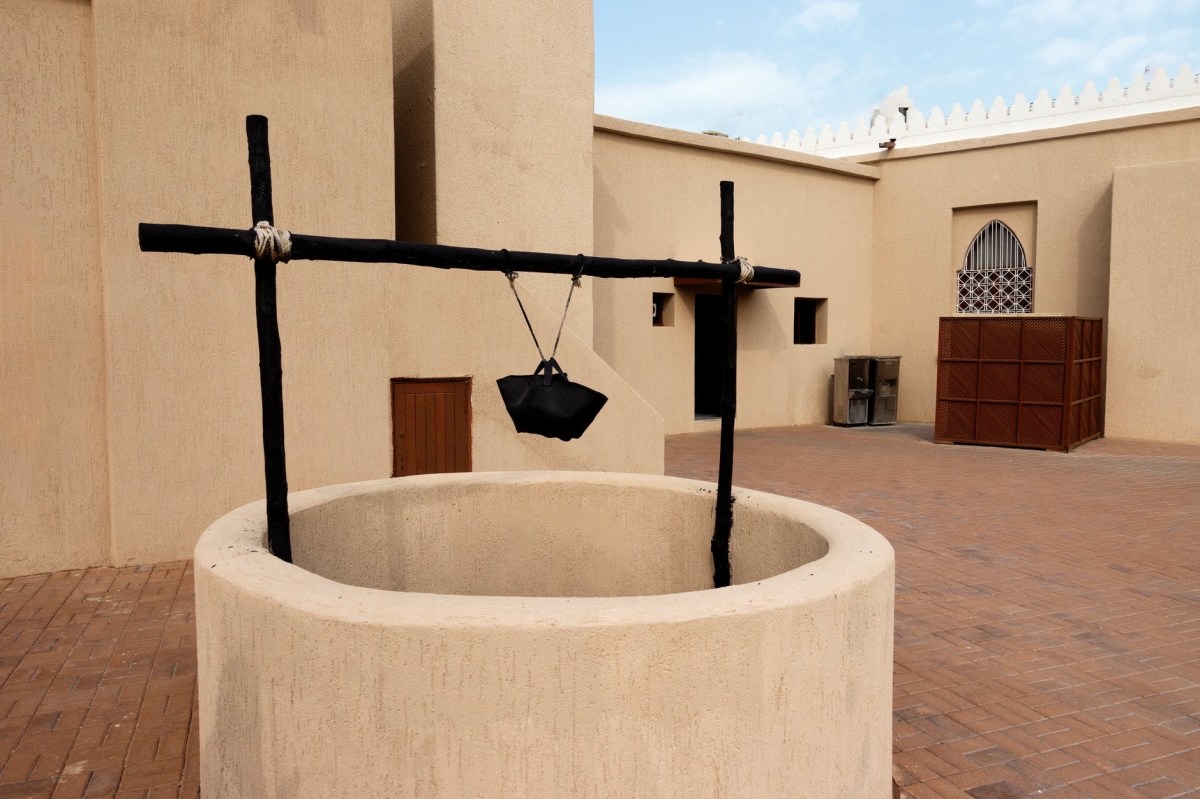
Thirst. High noon. A well. And a water jar left behind.
They meet at Jacob’s well. A well that holds stories. Maybe even secrets.
Jesus is on his way somewhere else. She is collecting water. As she does everyday. Alone. At noon. To survive.
They meet. And when they meet? So do their personal stories. And the realities of their lives. A Jewish man. A Samaritan woman. And a long history of cultural, political and religious clashes between their peoples. A long history of too many assumptions. Too many prejudices. A long history of conversations never shared, of possibilities and mysteries never set free.
They meet. And when they meet. Something happens.
Don’t be fooled by the misogynist veneer too many sermons have put over this story. Sometimes we are too quick to think and act like we know the woman in this story—what she lacks and what she needs. And yet—we don’t even know her name. How can we know what she needs if we haven’t gotten close enough to her even to know her name? And Jesus? We think we know about Jesus too…and yet…
They meet. And when they meet? A conversation. 26 verses. The longest conversation Jesus has with anyone in the Gospel of John. Not one of those kinds where one person is a submissive listener while the other waxes eloquent with spit-shined but unsubstantiated advice. This is a real conversation. Not small talk. A lively dance of words between two thirsty people. Words that dip and weave around complex theological topics—living water, worship, spirit, truth, salvation, the identity of the Messiah.
The woman? She is wise in her life-weariness, and she asks questions, insists on clarifications, offers her opinions. She is bold. Fearless, in a way, too. Because she chooses to have conversation with him. In spite of who she thinks he is and in the face of all that other people have assumed she is.
And Jesus? Even as he talks about living water he is bone tired, thirsty, vulnerable—dependent upon her hospitality because he has no bucket and she? She has the water jar she carries with her everyday, and she offers hospitality—the thirst-quenching water in her jar mingling with water offered by Rachel and Zipporah and countless other women right here at Jacob’s well…
They meet. And when they meet? Something happens. Jesus—talks about living water and invites her to look again at what she thinks she knows about water. About life. And Jesus—the thirsty one who has no bucket—could it be that as she offers him water, he sees her? And sees in her the spirit and truth she bears with courage to that well everyday? Does he see in her something he needs to know about himself?
She sees him. He sees her. Shared vulnerability. Mutual regard. No distancing stares or objectifying gazes. She sees him. He sees her. Both are changed. Redeemed somehow. Jesus claims his identity as Messiah—in her presence. She is the first person in the Gospel to whom Jesus makes a bold statement of self-revelation. She is a witness. And she goes on her way—to proclaim new truth. To preach.
Amen.
Draw deep, pour out, preach
Photo by Jill Crainshaw
Are we the woman with the water jar, bent on the chore of the moment, intent on survival, weariness living in our bones, thirst for God drowning in the business of the day?
She is strong, physically strong enough to carry that jar of water. Maybe we can understand that. What it means to be strong— but not so strong. Sure—but not so sure. Seeking—
Then—in the noonday lull— A tired stranger with no bucket. Drawing deep. Pouring out. She is changed. Jesus is changed. We are changed. Drinking water becomes living water. An everyday chore becomes Gospel vocation. An encounter with a stranger becomes a call to preach.
Her witness lives on today. The empty jar. A well of daily comings and goings. Called.
“Draw deep.” ”Pour out.”
Preach Gospel news In the name of the One who Creates, Redeems, and sustains.


 Salt: Seasoned Theology