
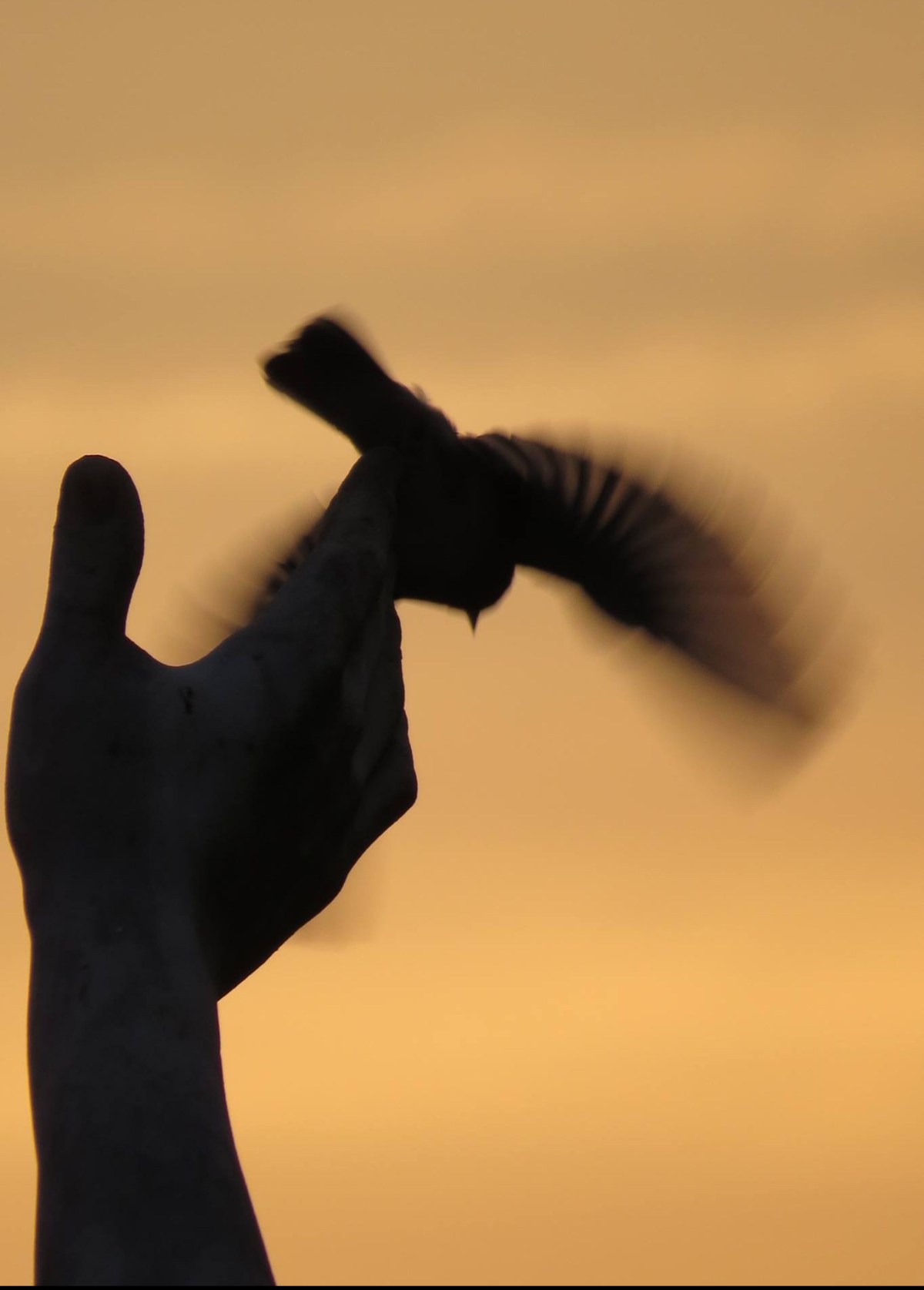
Let the favor of God be upon us
Psalm 90
and prosper for us the work of our hands.
A 6 a.m. walk. The sun—stretching, yawning—ready to look out upon a new day. Owls, those melancholy canticlers of the night are getting drowsy, ready for robins and finches to take over the morning shift of harmonizing.

An edge of summer, edge of autumn walk. Days are getting shorter. Nights longer. And the stars? Just before dawn? Luminous. Incandescent. Dancing with glee on the edge of the morning then fading into the heavens’ unbounded mystery.
I walked through my neighborhood at daybreak. The earth was awakening to a new day, and what a day. The last of summer’s blacked-eyed Susies turning their faces to the heavens. Chrysanthemums beginning to unfurl their paintbrushes, eager to color the world with the oranges and yellows of autumn. In the dawning wonder of an August morning I saw–the hands of an artist, the hands of a musician, the hands of God.
Hands.
Psalm 90 speaks of hands:
Let the beauty of God be upon us,
Psalm 90
and prosper for us the work of our hands.
O prosper the work of our hands.
I hear these words and I wonder–
What about our hands? My hands. Your hands.
Whose hands will chip away the falsehoods that hide God’s wisdom?
Too many hands in our world break and destroy. Too many hands injure and scar.
Whose hands will hold broken hearts with gentleness and compassion?
Whose hands will paint the colors of God’s grace on landscapes of injustice and despair?
For me, these are the questions of faith that really matter. How do our hands—my hands and your hands—do God’s work of shaping justice and peace for all people?
Let the beauty of God be upon us,
and prosper for us
the work of our hands.Psalm 90
Psalm 90–“Let the beauty of the Lord be upon us, and prosper for us the work of
our hands.”
When autumn comes and with it harvest celebrations, I think about the work of God’s hands. God’s hands creating beauty even in the fading and dying of summer leaves. God’s hands bringing forth from the earth good food to eat.

I think too of human hands—
farmers who plant and plow and harvest;
workers who process foods from the fields;
cooks whose hands prepare banquets for us to enjoy every day.
How do we serve God with our hands? What touch do we offer? What do we create?
My hands. Your hands. All of our hands—blessed and beautiful. All of our hands holding within them promises of God’s grace. Our hands—the hands of God. . .

 Salt: Seasoned Theology